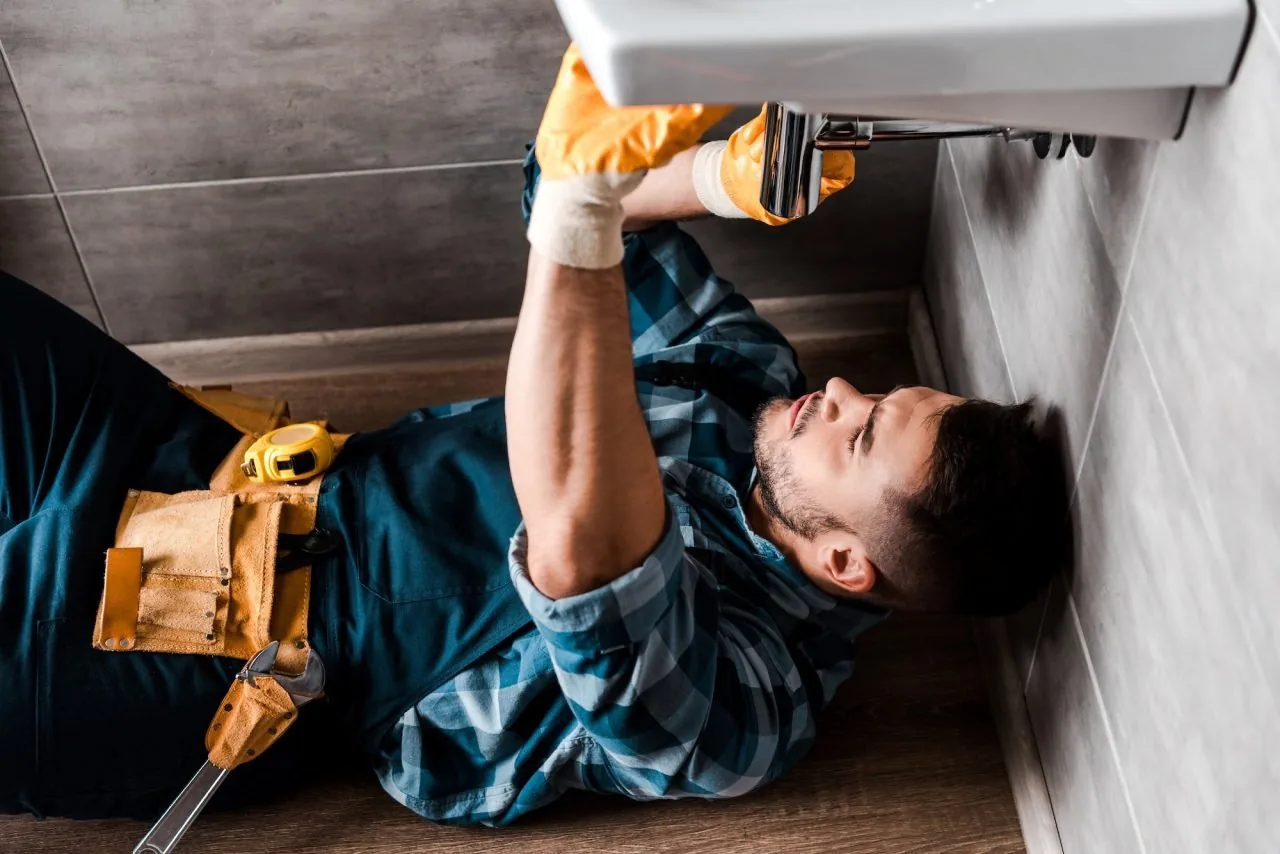
Drain Cleaning in Midlothian, TX
At Midlothian Plumbing Experts, we provide professional drain cleaning services to keep plumbing systems flowing properly throughout Midlothian. From slow bathroom sinks and clogged kitchen drains to stubborn main line blockages, our team delivers reliable solutions that help restore drainage and prevent recurring problems.
When a sink, shower, or toilet will not drain, Midlothian Plumbing Experts clears the line for homeowners in Midlothian. We do drain cleaning in Midlothian, TX on houses, townhomes, condos, and businesses, and we stay with the stoppage until water moves again. Residential and commercial lines are the work we take, so the visit is built around a family kitchen, a hall bath, and the lateral that leaves the slab.
A stoppage in 76065 can show up as a kitchen sink clog, a bathroom backup, or a main line that lifts water into a floor drain. Our plumbing services also cover pipe repair, garbage disposal repair, fixture installation, and hot water heater checks when the tank and the drain both need a look. If sewage is already on the floor, that becomes emergency plumbing, and we still start by isolating the drain from the supply.
Downtown near Heritage Park, many Midlothian houses still carry galvanized and cast iron drains from before the mid-1970s. We isolate and test the supply, the drain, and the tank before anyone opens a wall, then we repair what the test named. We work 24/7 and we put the room back the way we found it. We do not cut finish materials until a camera or a cable has named the stoppage. Clay under a Midlothian slab is the reason many of those clogs sit in the lateral, not only in the trap.
Houston Black clay under a Midlothian slab shrinks in dry summer spells and heaves when it takes on water, and that motion pinches and bellies a buried drain. Irrigation and cooling load in the humid months put more grease and lint into lines that already sit in a dipped run. Hard freezes then split uninsulated garage, attic, and hose bib lines, and the thaw sends extra debris toward a main that was already slow. We treat those stresses as the reason a clog in this town often sits in the lateral, not only in the p-trap under a sink.
A kitchen sink clog in a Midlothian house is rarely just a fork in the trap. Grease from daily cooking cools in the horizontal run, especially on older galvanized waste that has already narrowed. The dishwasher or a tired disposal then pushes that mass into a belly. In Meadows at Longbranch, fixture lines are often PEX and PVC, so the stoppage sits farther down in iron under the slab. That is why a kitchen sink drain that keeps backing up after a short clear is common here.
When we take drain cleaning for a clogged kitchen sink, we pull the trap first. We look at the unit in case the house also needs garbage disposal repair. Then we camera toward the stack so we can see grease, scale, or a broken hub. A drain snake can poke a hole through grease and leave a sleeve that closes by morning. If the wall is clean we stop, and if scale remains we talk through hydro jetting versus a repair.
Hair, soap, and shampoo build a felt ring in a Midlothian bathroom long before the main line fails. A slow draining bathtub is often that ring at the overflow plate, not a mystery in the yard. On Hunters Glen streets west of US Highway 287, most baths from the early 2000s use PVC. A clogged shower drain there is usually hair at the drum or a house-wide slow drain. One fixture slow and the rest fine points us at the trap.
We pull the stopper and the overflow plate so we can see whether the felt is local. If the drum is clear, we move to a sewer camera inspection of the bath stack before we cable from the roof. Roof access without a picture is how a turn in the line gets a hole punched in it. Along US Highway 67 the same PVC baths sit on the same clay, so we still check the lateral when two showers slow together.
A toilet that will not drop in a Midlothian hall bath is a mess on the floor in minutes. People keep flushing, and the bowl then lifts into the tub if the main is the real problem. Families often ask who to call for a clogged toilet when the plunger has moved nothing and a second fixture is gurgling. A gurgling toilet when the washer drains is not a wax ring issue. It is air being pulled through the bowl because the main is full.
Toilet clog repair on our truck starts at the closet flange, then the small line, then the main. We do not dump chemical opener into a bowl that is already at the rim. If the camera at the cleanout shows a full main, we change tools and we treat it as sewer drain cleaning, not a closet-auger job. On 8th Street pier-and-beam houses we can often see the hub from the crawl space before we put a cable in the bowl.
When the main is full, every low fixture in a Midlothian house becomes a vent. A sewer line backing up into the shower is the house trying to relieve that pressure. The washer, the kitchen, and the hall bath all share that one lateral out to the city tap. A drain that smells like sewage in several rooms is the same warning. Waiting through another cycle of the washer only lifts more water onto the floor.
For a main line clog we open the two-way cleanout at the slab and we camera both directions before a long cable pass. That is sewer drain cleaning with a picture, not a blind rooter service from the roof. If sewage is already crossing a finished floor, the visit is emergency plumbing and we still isolate the drain from the supply first. Kensington Park Estates and Lawson Farms sit on the same shrink-swell clay, so a dipped lateral is as likely there as it is downtown.
Roots in the sewer line follow moisture at a joint, a crack, or a shifted hub. Houston Black clay pulls those joints as it dries and then shoves them as it wets, and a hair root becomes a mat in one season. Midlothian Meadows houses from the 1980s and 1990s often still have copper and PVC, with older laterals that were never upgraded. Tree roots in the sewer line then show as a recurring main backup after a wet week. The lawn can look fine while the pipe is already oval.
We camera the footage, mark the taproot, and only then choose a cutter, a jet, or a repair. Hydro jetting can scour fine hairs from a sound PVC joint and leave the wall intact. On old cast iron, the same jet can open a hub that clay already pinched. If the pipe is cracked, clearing roots is a pause, not a finish, and we say so before we pack the jetter.
When a clog comes back in a week, the first cable did not miss by accident. On older Midlothian stacks the kitchen waste is often still a galvanized nipple that meets cast iron in the wall. Scale can leave a 2 inch pipe with about an inch of opening, and a cutter will not restore that opening. We measure that inside diameter with the camera head before anyone runs a second cable. A tight nipple will throw the cable back into the trap and scratch the porcelain.
Camera or access before a second cable is how we keep from splitting that nipple. If the wall is sound and the clog is grease, we talk about hydro jetting. If the wall is gone, we move the job to pipe repair on that section. We can show you why the drain clogs again after snaking, usually a belly, scale, or roots. Same day drain cleaning still means we test and make the first clear on that visit.
A backed up drain can wait a few minutes for a safe look, and that look helps us when we arrive. Use your eyes and your ears, not a bigger chemical bottle. Stop adding water if more than one fixture is slow. The goal is to keep sewage in the pipe until we can open a cleanout.
Safe checks you can make:
Things to skip:
The choice on a Midlothian drain is whether the pipe can still carry water after we open the clog. A cable, sometimes called a drain snake, is a spinning head that bores a path through paper, light grease, or a small root mat. It is the right first tool when one fixture is slow and the rest of the house is fine. It is also how we make a hole so the camera can see. On galvanized kitchen waste, a cable can restore flow for a night and still leave scale in place.
Hydro jetting uses water at high pressure to scour the wall of the pipe. It is the right tool when the camera shows grease coating a sound PVC run, or when fine roots cling to a joint that is still round. It is the wrong tool when the picture shows paper-thin cast iron or a shifted hub. A belly so deep that the jet only hammers the low spot is another reason to stop. Houston Black clay already ovalizes some laterals under Midlothian slabs, and a jet in a brittle hub can open a leak into the soil.
A main line camera inspection is how we choose between those tools. We run the head from the cleanout both ways and we note the footage where the picture changes. Only then do we pick a second cable, a jet, or a cut-out. Hydro jetting versus snaking is a real choice only after that picture. A blind second pass is how a scaled galvanized nipple gets split.
If the wall is gone, the debate is over and that section needs a repair. We still make the first clear on that visit when the line can be opened. The repair gets its own plan so we do not pretend a hole in the pipe is a clog. We will show you the clip that named the break. You should not have to guess why a second snake would fail.
People ask why a drain visit here feels slower at the start. We would rather spend minutes on a cleanout and a camera than hours on a wall we did not need to open. The four habits below are how that looks on a real call.
We isolate the fixture drain from the stack and from the lateral before we cut a wall or a floor. On a Midlothian slab that order keeps us from opening tile over a clog that a cleanout could have shown. The camera reading is what names the next tool, not a guess from the sink.
Our shop sits at 300 Bryant Ave, and the truck carries a cable machine, a jetter, and a camera as standard load. We do not send a drain call out with only a hand snake. If the first pass needs a different head, it is already on the vehicle.
We pull drop cloths, wipe the fixture, and make sure the floor is dry before we go. Hair, grease, and cable water stay in our buckets, not on the kitchen floor. If we opened a cleanout, we cap it so soil and rain stay out.
A main line does not wait for weekday hours. We work 24/7, including nights when a toilet is lifting in the hall. The same tests apply at 2 in the morning as they do at noon.
A drain visit has a simple order so we do not cable a collapsed hub. You tell us what the fixtures are doing, we arrive with the machines, we test, and we clear what the test named. The steps below are that order in plain words.
Tell us which sinks, showers, and toilets are slow and whether a floor drain is lifting. Note if the house is on a slab or a crawl space. Mention a hard freeze or a long dry spell if one just passed. That short list tells us whether to bring a cable, a jet, and a camera as the first load.
We pick a window that works for a kitchen or a hall bath that may be out of use. If sewage is already on the floor, we treat it as an urgent stop. The truck comes with the machine already loaded so we are not going back for a camera. You will know when we expect to knock.
We start at the fixture, then the cleanout, then the lateral. Most Midlothian stoppages get same-day diagnosis, and the camera is on the screen before we choose a second tool. We talk through the picture in plain words. You will see the grease, the root, or the break before we unpack the next head.
We run the cable or the jet only as far as the picture allows. Then we flush the washer, the showers, and the kitchen to confirm flow. We cap the cleanout and we wipe the area we used. If a section still needs a repair, we say so before we leave.
A drain cable will not hold if the wall of the pipe is already gone. When the camera shows a split hub or a collapsed belly, that work belongs with pipe repair rather than another rooter pass. When sewage is already on the floor and more than one fixture is lifting, that visit is emergency plumbing and we still isolate the drain first. When the wet spot is warm or the meter spins with fixtures off, that water is a supply leak needing slab leak repair. We will name which of those three we are looking at before we unpack a second cable.
The galvanized kitchen waste in the historic core scales from the inside, so grease has a rough wall to stick to. A cable pokes a hole and water runs for a day, then the sleeve closes. We camera the run from the trap to the stack and we tell you whether a cutter, a jet, or a short repair will hold. Newer PEX kitchens in MidTowne usually clog farther down, not in the tailpiece.
Pull the stopper and lift the hair you can reach, then stop running water if the pan still fills. In planned streets like Meadows at Longbranch the fixture piping is often PVC, so a local hair mat is common, but two slow showers mean the lateral. Do not dump a full bottle of opener into a standing pan. Tell us whether the kitchen and toilets are still fine so we bring the right head.
Call a drain crew, not a wax-ring swap, when the bowl gurgles as the washer dumps. That gurgle is air coming through the trap because the main is holding water. In Midlothian the washer, hall bath, and kitchen often share one lateral under the slab. We open the cleanout and camera before we auger the closet again. If only that one toilet is slow and no other fixture gurgles, we start at the flange.
The shower is often the lowest open fixture, so a full main uses it as a relief. On slab-on-grade houses the lateral is trapped in clay, and a belly holds paper and grease right under the hall. We camera from the two-way cleanout toward the street and back under the house. If the picture is a clog, we cable or jet. If the picture is a collapsed hub, we stop and plan a repair.
If we have not seen the wall, neither tool is the answer yet. A snake bores a path and a jet scours the wall. Cast iron that has sat in clay can be too thin for that scour. We run the camera first, and if the hub is round a jet can remove grease and fine roots. If the hub is cracked or oval, we cable lightly or we move to a section repair.
The cable made a hole through a mass that is still in a dipped run. Clay heave and shrinkage leave bellies under slabs, and grease or paper collects in that low spot. Flow looks fine for a day, then the sleeve closes. We camera the belly and then choose a jet, a different cable head, or a repair. A repeat clog is information, not bad luck.
We start at the two-way cleanout at the slab when the house has one. The camera goes toward the street and back under the house so we see the belly, the roots, or the scaled galvanized before a second cable. On pier-and-beam lots downtown we also look at the exposed hub from the crawl space. That order keeps a cutter out of a collapsed hub. If several fixtures in Midlothian are slow together, that is the test we want first.
Roots follow moisture at a joint, a crack, or a hub that clay has shifted. A tiny hair grows into a mat that catches paper. We see this on older laterals that were never swapped when the kitchen was remodeled. The camera shows the footage and the material, and we cut, jet, or repair based on that picture. Clearing the mat without seeing the wall is how a cracked pipe becomes a wet trench.
Drain cleaning in Midlothian is line work, not a guess at the trap. Midlothian Plumbing Experts isolate the fixture, the stack, and the lateral, then we cable, jet, or repair what the camera named. Kitchen grease, shower hair, toilet paper, roots, and clay bellies all show up here. The older core still hides galvanized and cast iron that a second blind cable will not restore.
When water is moving and the fixtures are quiet, we pack the tools and we leave the floor dry. A visit from our plumber crew should end with flow you can see, not a promise about the next week. We cover the kitchen, the baths, and the lateral the same way every time.
Reach out to us for assistance.
Zip codes we serve: 76065
Plumbing Experts Services
Whether it’s the kitchen, bathroom, or sewer line, we have the tools and training to handle any challenge your plumbing system throws at us.
Don’t risk it with your plumbing. We combine years of experience with modern technology to deliver lasting repairs and installations. Our team respects your time and your property.